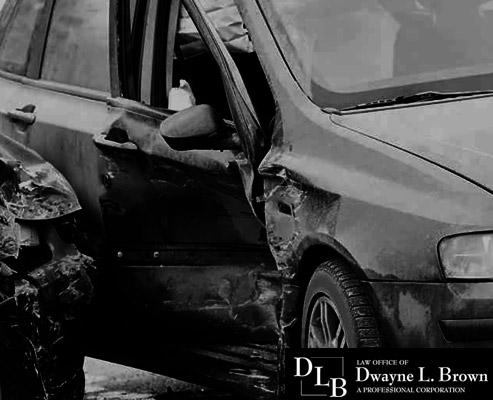


Commercial trucks must follow strict weight limits for a reason. When a trucking company or cargo loader pushes beyond those limits, the risks of a crash increase. In a busy city like Atlanta, where passenger vehicles and commercial trucks share the same highways like I-75 or I-20 and surface streets, a single overweight truck can cause widespread harm.
At the Law Office of Dwayne L. Brown, our Atlanta truck accident attorney represents people injured in overweight and overloaded commercial vehicle accidents. For 30 years, Attorney Dwayne L. Brown has handled personal injury cases, working on a contingency fee basis, so you pay no attorney’s fees unless we win. If you or a family member suffered injuries in a truck crash, contact us for a free consultation to discuss your legal options. Learn today how an overweight/overloaded truck accident attorney in Atlanta, GA, can help.
How Overweight and Overloaded Trucks Cause Serious Accidents
Under federal regulations, the gross vehicle weight limit is 80,000 pounds. Georgia law reinforces these regulations on axle and gross weight limits. These rules exist to reduce preventable crashes on highways and city streets. However, when these regulations are violated, our personal injury lawyer sees the following types of collisions:
Rollover Accidents
Most commercial trucks have a higher center of gravity. When a driver navigates a curve, exit ramp, or sudden lane change, the added weight increases the risk that the trailer will tip.
Jackknife Collisions
An overloaded trailer will have greater momentum. If a driver brakes suddenly, the trailer is likely to swing outward and form a sharp angle with the cab. This jackknife motion can block multiple lanes and strike surrounding vehicles.
Brake Failure and Extended Stopping Distance
Heavy loads place significant strain on braking systems. Overheated brakes may lose effectiveness, a condition known as brake fade. A fully loaded truck already requires more distance to stop; excess weight increases that distance and raises the risk of rear-end crashes in stop-and-go traffic.
Common Injuries in Overloaded Truck Accidents
Overloaded truck crashes often result in catastrophic injuries because of the size and force involved. Common injuries include:
- Traumatic brain injuries (TBI)
- Spinal cord injuries
- Broken bones
- Internal bleeding
- Severe burns
- Crush injuries
- Fatal injuries
Many injured people receive treatment at facilities such as Grady Memorial Hospital, Emory University Hospital, or other metro Atlanta trauma centers. Recovery may require surgery, rehabilitation, and an extended time away from work. Medical bills and lost income can accumulate quickly, placing financial pressure on families already coping with physical pain and disruption.
Compensation Available After an Overweight Truck Accident
Under Georgia law, you may seek compensation for the financial burdens and personal injuries you experience. Economic damages in your case may include:
- Medical expenses
- Future medical treatment
- Lost wages
- Reduced earning capacity
- Rehabilitation costs
- Property damage
Non-economic damages, the impact on your quality of life, may include:
- Pain and suffering
- Emotional distress
- Loss of enjoyment of life
Commercial trucking policies often carry significant insurance coverage. Building a strong claim supported by documentation and expert analysis can affect the outcome of negotiations or a trial.
Who May Be Liable in an Overweight Truck Accident Claim?
Under Georgia negligence law, a party may be responsible when a failure to exercise ordinary care causes injury. In overweight truck cases, more than one party may share responsibility.
Cargo Loaders and Shipping Companies
Cargo loaders and shipping companies must distribute and secure freight properly. When loaders fail to balance weight across axles or secure freight adequately, the truck can become unstable. Overloading a trailer beyond legal limits can directly contribute to rollovers, jackknife crashes, or brake failures.
Truck Drivers
Drivers must inspect their vehicles and confirm that loads comply with legal limits. Operating a truck that exceeds weight restrictions or failing to adjust driving behavior for a heavy load may support a negligence claim.
Trucking Companies
Trucking companies may bear responsibility when they:
- Encourage drivers to haul overweight loads
- Fail to enforce safety policies
- Negligently hire or supervise drivers
- Ignore maintenance issues
Under principles of vicarious liability, companies may be accountable for actions taken within the scope of employment.
Maintenance Providers and Other Parties
Maintenance contractors may contribute to a crash if they fail to inspect or repair braking systems, suspension components, or tires affected by excess weight. Third-party logistics providers may also play a role in coordinating overloaded shipments.
How We Prove an Overloaded Truck Violation and Protect Your Claim
Proving that a truck exceeded legal weight limits requires a detailed investigation. Our office will obtain and analyze:
- Weigh station and inspection reports
- Cargo manifests and bills of lading
- Electronic logging device (ELD) data
- Maintenance and brake inspection records
- Black box data from the truck
- Axle weight documentation
We also work with accident reconstruction professionals and other experts in truck accident cases to evaluate how excess weight affected braking distance, vehicle stability, and crash dynamics.
Why Atlanta Residents Choose the Law Office of Dwayne L. Brown
Attorney Dwayne L. Brown has 30 years of experience handling personal injury claims. Our office has recovered more than $100 million in case results, including an $11,500,000 confidential settlement for the family involving an 18-wheeler crash in the Atlanta metro area.
Our office maintains a small caseload to allow direct communication and regular updates. We work with a team of experts in truck accident cases when the facts require detailed technical analysis. Plus, we handle cases on a contingency fee basis. You owe no fee unless we obtain compensation for you.
What to Do After an Overloaded Truck Accident in Atlanta
After a crash, you should:
- Call 911 immediately
- Request a response from the Atlanta Police Department or Georgia State Patrol
- Seek medical evaluation, even if injuries seem minor
- Take photos or video of the accident scene if you can do so safely
- Gather witness names and contact information
- Avoid discussing fault at the scene
- Decline recorded statements from insurance adjusters
- Keep medical records and receipts
In most cases, Georgia law allows two years to file a personal injury lawsuit under O.C.G.A. § 9-3-33. Acting quickly helps preserve evidence and protect your rights.
Speak With an Atlanta Overloaded Truck Accident Attorney
Overweight and overloaded truck accidents can leave lasting physical, financial, and emotional consequences. You do not have to deal with trucking companies and insurance carriers on your own. The Law Office of Dwayne L. Brown represents injured people in Atlanta who need clear answers and steady guidance after a serious crash.
We offer free case consultations and handle claims on a contingency fee basis, so you pay no attorney fee unless our Atlanta overloaded truck accident lawyer recovers compensation for you. Contact the Law Office of Dwayne L. Brown today to discuss your case.
Atlanta, Georgia, Overweight/Overloaded Truck Accident Claim FAQs
What is the legal weight limit for commercial trucks in Georgia?
Federal regulations limit commercial trucks to 80,000 pounds gross vehicle weight.
How can I prove a truck was overloaded?
Evidence may include weigh station tickets, inspection reports, cargo manifests, bills of lading, and electronic logging device data.
Can multiple parties be responsible for an overloaded truck accident?
Yes. Cargo loaders, drivers, trucking companies, and maintenance providers may share responsibility depending on the facts.
How long do I have to file a truck accident lawsuit in Georgia?
In most cases, you have two years from the date of the injury to file a lawsuit. Certain circumstances may affect this deadline, so prompt legal review is important.