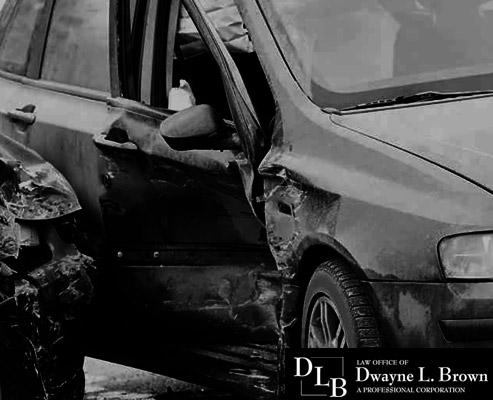


Rear-end accidents happen every day on Atlanta roads. Heavy traffic along the multiple interstate highways, the Downtown Connector, and Peachtree Street increases the risk of sudden stops and collisions. Even a low-speed crash can leave you with medical bills, vehicle damage, and missed time from work. Insurance adjusters may contact you quickly and push for a recorded statement or early settlement. What seems like a minor impact can lead to lasting neck, back, or head injuries.
Our Atlanta car accident lawyer with the Law Office of Dwayne L. Brown has represented victims of rear-end accidents throughout the area. Our office works on a contingency fee basis, which means you pay no fee unless we win your case. If another driver hit you from behind, contact us for a free consultation to discuss your legal options. Learn how a rear-end accident attorney in Atlanta, Georgia, can help you recover.
Leading Causes of Rear-End Crashes on Atlanta Roads
Although O.C.G.A. § 40-6-49 requires drivers to maintain a safe following distance, negligent drivers frequently violate this law. When drivers follow too closely or fail to pay attention, they lack the time to react safely and stop their vehicles. In most cases, the rear driver often bears responsibility, but each case requires careful review of the facts.
Common causes of rear-end accidents in Atlanta include:
- Distracted driving, including violations of the Georgia Hands-Free Act
- Tailgating
- Speeding and road rage
- Impaired driving
We examine how and why the collision occurred before advising you on liability and your next steps.
Common Injuries We See in Atlanta Rear-End Collisions
Rear-end crashes frequently cause injuries that may not appear immediately. Whiplash is one of the most common injuries in a rear-end collision. The sudden force of impact snaps the head forward and backward, straining the muscles and ligaments in the neck. Symptoms may include neck pain, stiffness, headaches, and reduced range of motion. Some people do not feel symptoms until hours or days after the crash.
Other common injuries our personal injury lawyer in Atlanta sees include:
- Broken bones and dislocations
- Herniated or bulging discs
- Traumatic brain injuries (TBI)
- Shoulder injuries from seatbelt restraint
- Knee injuries caused by impact with the dashboard
Motor vehicle crashes remain a leading cause of injury nationwide. Prompt medical evaluation creates a record that connects your injuries to the accident and supports your insurance claim.
Proving Fault in a Georgia Rear-End Accident Claim
In many rear-end cases, investigators presume the rear driver caused the crash. However, exceptions can exist. A driver who makes an unsafe lane change, drives without working brake lights, or causes a chain-reaction collision may share responsibility.
In these instances, Georgia follows a modified comparative negligence rule. If a plaintiff is 50 percent or more at fault, they cannot recover damages. However, if they are less than 50 percent at fault, the court reduces the recoverable compensation by the percentage of fault.
Ensuring fault is fairly attributed requires a thorough investigation and examination of the evidence gathered. Evidence in your car accident claim may include:
- The police report
- Your medical records
- Statements from witnesses
- Photographs showing vehicle damage patterns
- Traffic camera or surveillance footage
We collect and review this evidence to build a clear theory of liability.
Compensation Available After a Rear-End Crash
Injured drivers and passengers have the right to pursue financial compensation when another person’s negligence causes a crash. A rear-end accident claim may include compensation for:
- Medical expenses
- Future medical treatment
- Lost wages
- Reduced earning capacity
- Property damage
- Pain and suffering
Insurance adjusters often look for opportunities to reduce payouts. We organize medical records, employment documentation, and repair estimates to present a complete picture of your losses during settlement negotiations or litigation.
Georgia Statute of Limitations for Rear-End Accident Claims
You generally have two years from the date of the accident to file a personal injury lawsuit, per O.C.G.A. § 9-3-33. Missing this deadline can have serious consequences.
If you file after the statute of limitations expires:
- The court may dismiss your case
- You lose leverage during settlement discussions
- You may permanently lose the right to recover compensation
If you speak with an attorney early enough, though, they can step in and protect your claim and meet all required deadlines, allowing you to recover in peace.
Why Choose the Law Office of Dwayne L. Brown for Your Injury Claim
Attorney Dwayne L. Brown has handled personal injury cases for 30 years and has recovered more than $100 million in case results. He has earned recognition from Super Lawyers and Lawyers of Distinction. Our office maintains a focused caseload, providing our clients with direct communication and regular updates.
We guide clients through the claims process, answer questions promptly, and explain their legal options for recovery. Because we work on a contingency fee basis, you do not pay upfront legal fees. Our interests align with yours from the start.
How Our Office Handles Rear-End Accident Cases
We begin with a detailed case evaluation and investigation. Our office gathers key evidence and manages communication so that you do not have to deal with insurers alone.
Our services include:
- Reviewing police reports and medical records
- Collecting photographs, video footage, and witness statements
- Communicating with insurance adjusters
- Calculating damages and preparing demand packages
- Negotiating settlement terms
- Filing suit when necessary
- Taking the case to trial if negotiations fail
Throughout the legal process, we provide updates and remain available to answer your questions. We handle the legal work so you can focus on your recovery.
What to Do After a Rear-End Accident in Atlanta
The steps you take after a crash can have an impact on your future. What you do can affect both your health and your legal claim. Acting quickly helps preserve evidence and protect your rights.
After a rear-end accident, you should:
- Call 911 so that the Atlanta Police Department or Georgia State Patrol can assist
- Seek medical care at such facilities as Grady Memorial Hospital, Emory University Hospital, or Piedmont Atlanta Hospital
- Exchange insurance and contact information with the other driver
- Take photographs of vehicle damage, license plates, and the surrounding scene
- Notify your insurance company about the collision
Avoid giving a recorded statement to the at-fault driver’s insurer before speaking with an attorney. Our office can communicate with insurance companies, gather evidence, and review settlement offers so you can focus on your recovery.
Contact a Rear-End Attorney in Atlanta Today
Rear-end accidents can disrupt your finances and daily life. The Law Office of Dwayne L. Brown works to protect your rights and pursue compensation under Georgia law. With 30 years of personal injury experience, our office understands how to address disputed liability and insurance resistance.
Call the Law Office of Dwayne L. Brown today for a free case consultation. You pay no attorney fees unless we win your case. Let us review your accident and explain your options.
Atlanta, Georgia, Rear-End Accident Claim FAQs
What if the insurance company says I was partially at fault?
Georgia’s comparative negligence rule reduces compensation by your percentage of fault. If you are 50 percent or more responsible, you cannot recover damages.
How much is a rear-end accident claim worth in Georgia?
The value depends on medical expenses, lost income, property damage, and how the injuries affect your daily life and ability to work.
Do I need a lawyer if the crash seems minor?
Even minor crashes can cause delayed injuries and disputed claims. Legal guidance helps protect your rights during insurance negotiations.
What if my injuries appear days after the accident?
Seek medical attention as soon as symptoms appear. Prompt treatment creates documentation that connects your injuries to the collision.